In today’s digital-first world, organizations are under constant pressure to deploy IT infrastructure faster, operate more efficiently, and scale without disruption. Traditional data centers often fail to meet these demands due to long construction timelines, high capital investment, and limited flexibility. This is where the portable modular data center emerges as a game-changing solution.
A portable modular data center is a compact, prefabricated, and transportable facility designed to house computing, storage, networking, power, and cooling systems. Unlike conventional data centers, these units are built in standardized modules that can be rapidly deployed, relocated, or expanded based on operational needs.
What Is a Portable Modular Data Center?
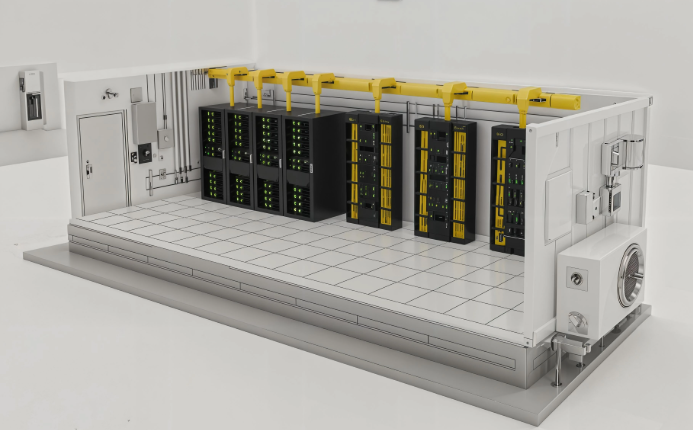
A portable modular data center is a self-contained IT infrastructure unit that integrates servers, racks, cooling systems, power distribution, fire suppression, and security into a single enclosure. These units are typically manufactured off-site under controlled conditions and delivered ready for operation.
Their portability allows businesses to deploy computing power in remote locations, disaster recovery scenarios, military operations, industrial sites, or temporary projects. Modularity ensures scalability, allowing organizations to add capacity incrementally without rebuilding entire facilities.
See also: Exterminators: Protecting Your Home and Business from Pests
Key Components of a Portable Modular Data Center
1. IT Equipment and Racks
The core of a portable modular data center includes standardized server racks that support high-density computing. These racks are designed for optimized airflow and cable management, ensuring reliable performance even in compact environments.
2. Power Infrastructure
Integrated power systems include uninterruptible power supplies (UPS), power distribution units (PDUs), and optional backup generators. This ensures continuous operation during power fluctuations or outages.
3. Cooling Systems
Efficient cooling is essential in a confined space. Portable modular data centers often use precision air conditioning, in-row cooling, or liquid cooling technologies to maintain optimal operating temperatures.
4. Physical Security
Built-in security features such as access controls, surveillance systems, and reinforced enclosures protect sensitive data and equipment from unauthorized access or environmental threats.
5. Monitoring and Management
Advanced monitoring systems track temperature, humidity, power usage, and system health in real time, allowing proactive maintenance and reduced downtime.
Benefits of Portable Modular Data Centers
Rapid Deployment
One of the biggest advantages of a portable modular data center is speed. These units can be deployed in weeks instead of months or years, enabling organizations to respond quickly to business demands.
Scalability and Flexibility
Modular design allows businesses to scale capacity as needed. Additional modules can be added without interrupting existing operations, making growth seamless and cost-effective.
Cost Efficiency
Reduced construction costs, lower energy consumption, and minimized labor expenses make portable modular data centers a financially attractive option. Organizations pay only for the capacity they need.
Portability and Mobility
These data centers can be relocated as business needs change. This is especially valuable for industries operating in remote locations, temporary sites, or mobile environments.
Energy Efficiency
Modern portable modular data centers are designed with energy-efficient components, optimized airflow, and intelligent cooling systems, resulting in lower operational costs and reduced environmental impact.
Use Cases for Portable Modular Data Centers
Edge Computing
With the rise of edge computing, data needs to be processed closer to the source. Portable modular data centers enable low-latency data processing in urban, rural, or industrial environments.
Disaster Recovery and Business Continuity
In the event of natural disasters or system failures, portable modular data centers can be rapidly deployed to restore operations and protect critical data.
Remote and Industrial Locations
Industries such as oil and gas, mining, construction, and renewable energy benefit from portable modular data centers that operate reliably in harsh or isolated environments.
Military and Defense
Secure, rugged, and mobile data centers are ideal for defense operations where rapid deployment and high security are essential.
Temporary and Seasonal Operations
Events, research projects, or seasonal business operations can leverage portable modular data centers without committing to permanent infrastructure.
Challenges and Considerations
While portable modular data centers offer many advantages, organizations should consider factors such as transportation logistics, site preparation, compliance requirements, and long-term scalability planning. Proper assessment ensures optimal performance and return on investment.
Future of Portable Modular Data Centers
As digital transformation accelerates, demand for flexible and decentralized IT infrastructure will continue to grow. Innovations in cooling technology, renewable energy integration, and automation are expected to further enhance the efficiency and capabilities of portable modular data centers.
They are poised to become a core component of modern IT strategies, supporting cloud computing, artificial intelligence, Internet of Things, and edge applications worldwide.
Frequently Asked Questions (FAQs)
What makes a portable modular data center different from a traditional data center?
A portable modular data center is prefabricated, transportable, and scalable, whereas a traditional data center is permanently constructed and requires significant time and capital investment.
Are portable modular data centers secure?
Yes, they are equipped with physical security features such as access control systems, surveillance, and reinforced enclosures to protect sensitive data and equipment.
Can a portable modular data center be customized?
Portable modular data centers can be customized based on power capacity, cooling requirements, rack density, and environmental conditions.
How long does it take to deploy a portable modular data center?
Deployment typically takes weeks rather than months, depending on site readiness and configuration requirements.
Are portable modular data centers suitable for long-term use?
Yes, they are designed for both temporary and long-term operations and can be expanded or upgraded as business needs evolve.
Conclusion
The portable modular data center represents a modern, efficient, and adaptable approach to IT infrastructure. By combining speed, scalability, portability, and cost efficiency, it addresses the limitations of traditional data centers while meeting the demands of today’s fast-paced digital environment.
As businesses seek resilient and future-ready solutions, portable modular data centers offer a powerful way to deploy computing resources wherever and whenever they are needed. Their growing adoption signals a shift toward smarter, more flexible data infrastructure that aligns with evolving technological and operational requirements.