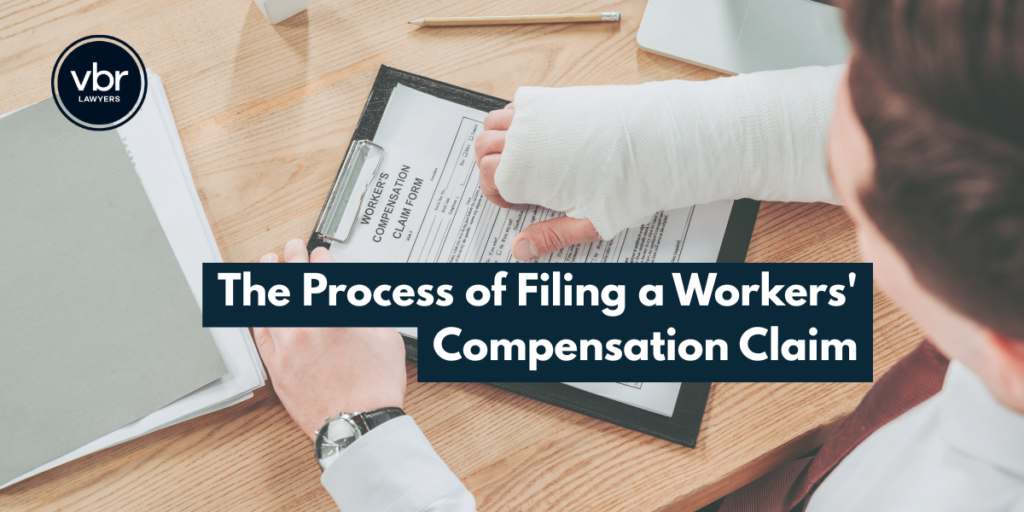
Getting injured at work can turn your life upside down in seconds. One moment you are doing your job, the next you are dealing with pain, medical appointments, and the stress of lost wages. Filing a workers’ compensation claim in Queensland should not add to that burden, but the process can feel overwhelming if you don’t know what to expect.
At vbr Lawyers, we have helped hundreds of injured workers through every stage of the WorkCover scheme. We know where claims get stuck, what documentation matters, and how to avoid the mistakes that lead to rejections or delays.
This article walks you through the step-by-step process of filing a workers’ compensation claim in Queensland. You will learn what the scheme covers, how to report your injury, when to lodge your claim, and what happens if things don’t go to plan.
Let’s get into it.
What Does a Workers’ Compensation Claim Cover in Queensland?
A workers’ compensation claim covers workplace injuries and illnesses under Queensland’s WorkCover scheme, including medical costs, wage replacement, and rehabilitation.

Simply put, if you are hurt or become ill because of your work, the scheme steps in to cover your treatment and lost wages while you recover. The compensation can include:
- Weekly payments to replace the income
- Full coverage of reasonable medical expenses
- Support for rehabilitation programs.
On top of that, lump sum compensation may also be available if your injury results in a permanent impairment that affects your ability to work.
Can You File if You’re Injured at Work?
The injury needs to happen during the course of your employment for you to be eligible under workers’ compensation laws. This covers most employees across Queensland, but independent contractors and some other worker types have different rules.
If you are an injured worker who is unsure about your coverage, the specific circumstances of your injury and employment status will show whether you can file. For example, a warehouse employee who injures their back lifting boxes during a shift would typically be covered, while a contractor working on their own ABN might need to check whether they have arranged separate coverage.
We understand the confusion around eligibility can be stressful, but do not worry. We’ll walk you through the main steps you need to take in the next sections.
Step 1: Report Your Workplace Injury Immediately
Reporting your injury straight away protects your right to claim and creates the first piece of evidence linking your injury to work. This counts because the longer you wait, the harder it becomes to prove the accident happened during employment.
Here’s what you need to do:
- Notify Immediately: Even if it seems minor at the time, letting your supervisor or manager know immediately creates a record. Delays in reporting can lead to questions about whether the injury actually happened at work, and insurers look closely at gaps between the accident and when your employer became aware of it.
- Document in Writing: Your employer should record the incident and provide an injury notification form. Keep your own copy of accident paperwork in case you need it later.
- Follow Up Yourself: While employers must lodge claims on your behalf, you still need to make sure the process starts. If your employer drags their feet, your claim timeline gets pushed back.
These early steps set the foundation for everything that follows in your workers’ compensation claim.
Step 2: Get Medical Treatment and Documentation
If you do not see a doctor immediately after your injury, linking your condition to your workplace becomes harder to prove later. Think about it this way: medical documentation creates the connection between your injury and your job, which is exactly what insurers look for when reviewing claims.
Usually, the injured workers who get treatment straight away and keep detailed records have far fewer issues down the track. Your doctor needs to know the injury happened at work so they can document it correctly on your medical certificate.
Worth Noting: Insurers review treatment records, prescriptions, and medical advice as evidence when deciding your claim. Without these records in place, your case weakens.
Step 3: Lodge Your WorkCover Claim
Lodging your claim formally starts the compensation process and triggers the insurer’s obligation to review your entitlements. And frankly, workers’ compensation claims in Queensland come with strict time limits, so getting this step done quickly protects your rights down the track.
Follow these steps to lodge your WorkCover claim properly:
- Complete the Form: You will need to fill out a WorkCover claim form with accurate details about your injury, how it happened, and your employment information. The more specific you are, the smoother the process.
- Your Employer Submits It: Once you’ve completed your part, your employer is responsible for submitting the claim to the insurer on your behalf. They must do this within a set timeframe, and delays on their end can hold up your entire claim.
- Watch the Deadline: WorkCover claims must be lodged within six months of the injury or from when you first became aware of it. If you develop a repetitive strain injury that worsens over time, the six-month clock starts when you realise the condition is work-related, not when symptoms first appear.
With your claim lodged, the insurer takes over to review everything and make a decision.
Step 4: Wait for the Insurer’s Decision
The insurer reviews your claim and decides whether to accept or reject it. They will look at your medical records, the injury report from your employer, and whether your claim meets the requirements under workers’ compensation laws.
The timeline depends on your case. Typically, the decisions take anywhere from a few days for straightforward cases to several weeks for more complicated injuries. You will receive a written notice explaining whether your claim has been accepted or rejected, and what happens next.
Once you know the decision, you can start understanding what compensation the scheme actually covers.
Compensation Entitlements: What the Scheme Covers
If you are eligible, the scheme covers different aspects of your claim, from replacing lost income to covering medical costs and supporting your return to work.
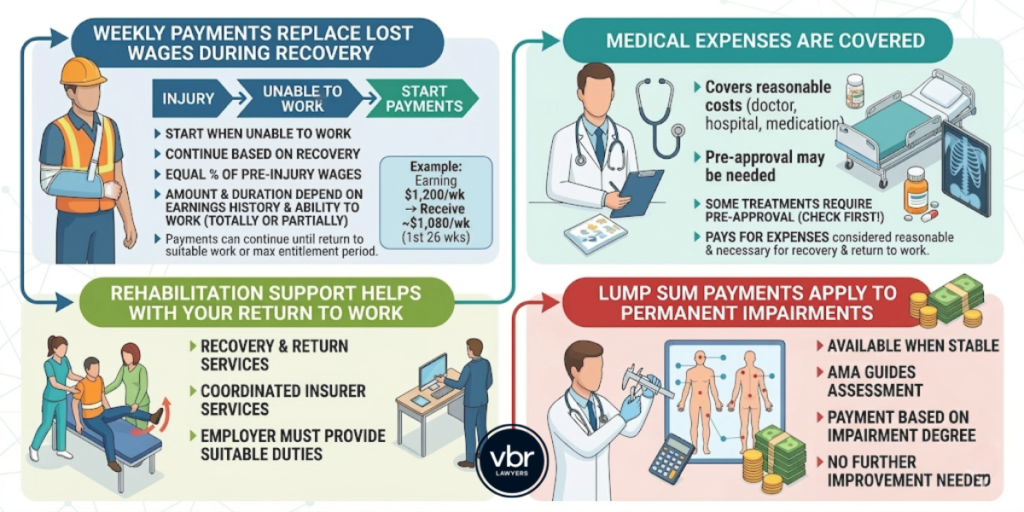
Let’s break down what each type covers:
Weekly Payments Replace Lost Wages During Recovery
Weekly payments start when you cannot work because of your injury and continue based on your recovery progress. These payments equal a percentage of your pre-injury wages while you are unable to work.
The amount you receive and how long payments continue depend on your earnings history and whether you are totally or partially unable to work. For instance, an injured worker earning $1,200 per week might receive around $1,080 weekly during the first 26 weeks if they cannot work at all.
Remember: Payments can continue until you return to suitable work or reach the maximum entitlement period under the scheme.
Medical Expenses Are Covered Under the Scheme
Medical bills from workplace injuries can pile up quickly, but WorkCover covers reasonable treatment costs once your claim is accepted. This includes doctor visits, hospital stays, surgery, prescription medications, and other treatments for your injury.
However, some treatments require pre-approval from the insurer before you can access them, so it is worth checking first. The scheme pays for medical expenses as long as they are considered reasonable and necessary for your recovery and return to work.
Rehabilitation Support Helps With Your Return to Work
What happens when your injury stops you from doing your old job, but you can still work in some capacity? Rehabilitation programs help you recover and return to suitable work when possible.
The insurer coordinates services like physiotherapy, occupational therapy, and vocational support to help with your recovery. Your employer must provide suitable duties if restrictions limit your work, which might mean lighter tasks or modified hours.
Keep in Mind: Your treating doctors’ recommendations and insurer approval determine access to these services.
Lump Sum Payments Apply to Permanent Impairments
Lump sum compensation is available once your injury stabilises and leaves you with a permanent impairment. Doctors assess the impairment using the AMA Guides after your condition reaches maximum medical improvement and stabilises.
At that point, the assessment determines your payment. Your degree of impairment and which body part is affected determine the lump sum amounts. You can’t receive lump sum compensation until your treating doctors confirm your injury won’t improve further with treatment.
Why Do Some Workers’ Compensation Claims Get Rejected?
Most rejected workers’ compensation claims fail for preventable reasons, usually related to missing evidence or timing issues.
Avoid these common issues where claims typically fall apart:
- The Injury Link Is Weak: Claims fail when the injury cannot be clearly linked to work activities or duties. If you report a shoulder injury weeks after it happened and there’s no record of an incident at work, the insurer will question whether it is actually work-related.
- Documentation Is Missing: Late reporting or missing medical evidence weakens your claim with the insurer significantly (which explains why so many fail here). When you wait too long to see a doctor, or your employer didn’t document the accident properly, the insurer has less evidence to work with and more reason to doubt your claim.
- Pre-Existing Conditions Complicate Things: If you had chronic back pain before starting your job and now claim a workplace injury to your back, the insurer might reject it by saying your work duties did not cause the condition. The circumstances around how and when the injury occurred become crucial in these cases.
After seeing these rejection patterns, it is clear that workers’ compensation claims are not the only option when workplace injuries involve someone else’s negligence.
When Does a Personal Injury Claim Come Into Play?
Personal injury claims are separate from WorkCover and apply when someone’s negligence caused your workplace injury. These claims can provide compensation beyond what WorkCover covers for:
- Pain
- Suffering
- Economic loss
Drawing from our experience, personal injury claims often arise in cases involving faulty equipment, unsafe work sites, or medical negligence during your treatment. That means when a defective machine causes your injury or a third party’s actions lead to your accident at work, you have grounds for a personal injury claim on top of your workers’ compensation.
One Important Detail: If both claims might apply to your case, compensation lawyers can explain how personal injury claims differ from WorkCover entitlements and whether pursuing both makes sense for your circumstances.
Take the Next Step With Your Claim
Filing a workers’ compensation claim involves strict time limits and specific documentation requirements. And mistakes during the process can delay payments or result in rejected claims.
Our legal team at vbr Lawyers works with injured workers across Queensland from our offices in Brisbane and the Gold Coast. Fees are payable at the conclusion of your matter.
If you need advice about your workers’ compensation claim or want to understand your options, contact our team for information about your case.